Do late shipments and lost orders hurt your online store sales? Fast, reliable logistics can cut delivery times and boost repeat buyers. This post shows how better inventory, faster fulfillment, and smart shipping fix those problems.
Read on to learn quick fixes.
Key Components of Efficient Logistics in Online Retail
Efficient logistics in online retail relies on several key parts. These elements work together to streamline operations and improve service for customers.
Inventory Management
Stores track stock levels in real time. Advanced inventory management systems link sales, warehouses, and suppliers to smooth the supply chain. This cuts stockouts and lowers excess inventory costs. Tight demand planning speeds order processing and improves fulfillment.
Teams scan barcodes and use RFID for fast counts. Automation speeds shipping and returns management and raises operational efficiency. Better stock visibility boosts customer experience and reduces missed deliveries. Managers watch KPIs daily and adjust logistics strategy.
Warehousing and Storage Solutions
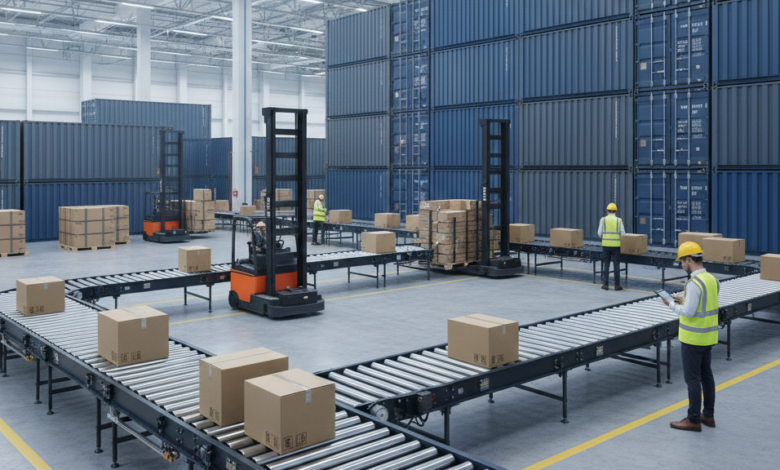
Companies place inventory in warehouses near demand centers. Efficient layouts speed picking and packing. Automated racking and conveyor systems cut handling times. Good warehousing boosts distribution and shipping speed.
Proper storage lowers damage and return rates. Inventory management systems track stock levels in real time. That data feeds order processing and fulfillment systems. Next we move to Order Fulfillment Processes.
Order Fulfillment Processes
Efficient order fulfillment cuts costs and speeds delivery. It boosts customer experience and retention.
- Map each order flow from cart to delivery to spot delays and waste. Use clear steps for order processing, picking, packing, and shipping to improve operational efficiency and reduce returns management.
- Automate order processing with software that syncs inventory, sales channels, and shipping carriers. This reduces manual errors in order processing and supports accurate inventory management.
- Prioritize real-time inventory updates to avoid stockouts and overselling. Tight inventory management helps demand planning and prevents costly returns.
- Optimize pick paths in the warehouse to shorten travel time and speed picking. Faster picking increases fulfillment throughput and supports higher order volumes.
- Standardize packing rules to protect items and lower shipping damage rates. Consistent packing improves customer satisfaction and cuts costs from returns.
- Choose the right shipping solutions by comparing rates, speed, and reliability across carriers. Smarter shipping decisions improve delivery efficiency and lower shipping spend.
- Integrate returns management into the fulfillment flow to process refunds and restock quickly. Smooth reverse logistics keeps customers happy and recovers value from returned goods.
- Monitor fulfillment KPIs like order cycle time, fill rate, and on-time delivery to find weak spots. Data-driven tweaks lift distribution performance and retail performance as a whole.
Last-Mile Delivery
Last-mile delivery refers to the final step of getting products from a warehouse to the customer’s doorstep. This stage is crucial for online retail success, as customers expect fast and reliable shipping. Many retailers focus on cutting down delivery times to boost customer satisfaction.
Using local hubs can speed up the process. These centers allow faster access to goods and reduce distance traveled. Employing efficient routes also helps cut costs and improve service time. Reliable last-mile solutions enhance customer experience, which leads to repeat business and higher sales in online retail.
Role of Technology in Enhancing Logistics Efficiency
Technology plays a key role in making logistics more efficient. Tools like AI help automate tasks. Real-time tracking offers updates on shipments. These innovations speed up processes and improve service.
They also help keep costs down. Efficient tech boosts customer satisfaction, too. Discover how these tools are shaping the future of logistics by reading more!
AI and Automation
AI and automation play key roles in improving logistics for online retail. AI helps businesses manage inventory efficiently. It predicts demand accurately, which reduces overstock or stockouts.
Automation speeds up order processing, making it faster to get products to customers. Robots can pick items from shelves quickly, while software handles shipping details.
Automation also enhances last-mile delivery. Drones and self-driving vehicles deliver packages directly to homes. This cuts down delivery times and costs. Real-time tracking tools keep customers informed about their orders’ status.
These technologies boost customer satisfaction by providing a smoother shopping experience in eCommerce logistics.
IoT and Real-Time Tracking
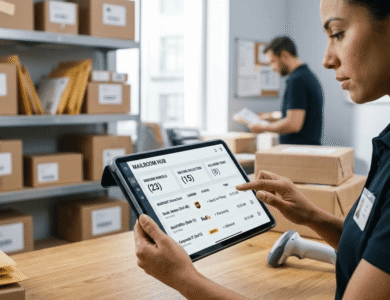
IoT technology allows devices to connect and share data. This connection is vital for real-time tracking of shipments. Businesses can monitor their products at every step. They know exactly where items are in the supply chain.
Real-time tracking improves customer experience. It gives shoppers accurate delivery updates. Customers feel more secure when they know exactly when their orders will arrive. Using IoT, companies enhance operational efficiency while reducing delays and mistakes in shipping and fulfillment processes.
Overcoming Common Logistical Challenges
Managing supply chain issues and high delivery costs can hurt online retailers. Finding solutions is key to success. Strong logistics help keep customers happy and orders on time.
Implementing robust warehousing solutions can enhance inventory management and streamline order fulfillment processes.
Want to learn how to tackle these challenges? Read more!
Managing Supply Chain Disruptions
Supply chain disruptions can hurt online retail. Issues like natural disasters, shipping delays, and supplier problems often arise. These challenges can lead to stock shortages or late deliveries, which frustrate customers.
To manage these disruptions, retailers must have strong contingency plans in place. This means finding alternative suppliers quickly when issues happen. Keeping extra inventory on hand may also help mitigate problems.
A solid logistics strategy makes a big difference too. Efficient communication between all supply chain partners helps everyone stay informed about changes and potential delays. Investing in technology solutions like real-time tracking can provide updates for both businesses and customers during tough times.
Strong order fulfillment processes ensure that even when challenges arise, customer satisfaction remains high. Next comes the role of technology in enhancing logistics efficiency.
Reducing High Delivery Costs
High delivery costs can hurt business. Companies need to focus on cutting these expenses. One way is to optimize shipping routes. Efficient routes save time and fuel, lowering costs.
Using data helps businesses predict demand better. This planning prevents overstocking and unnecessary shipping.
Another method involves working with third-party providers for logistics services. These partners often have better rates for shipping and storage than individual companies do. Investing in technology also plays a key role.
Real-time tracking systems keep customers informed and happy, which reduces the chances of returns and losses during delivery processes. Keeping these strategies in mind helps improve operational efficiency while enhancing customer satisfaction.
Addressing Inventory Mismatches
Reducing high delivery costs improves logistics. Inventory mismatches can hurt online retail success. These occur when stock levels in the system do not match actual products on hand. This issue leads to missed sales and unhappy customers.
Using smart inventory management tools helps fix these problems. Real-time tracking allows businesses to see accurate stock levels at all times. Regular audits also keep the inventory in check, reducing errors.
Keeping clear communication with suppliers ensures timely restocking, which further supports customer satisfaction and operational efficiency.
Strategies to Optimize Logistics for Online Retail
To improve logistics in online retail, businesses should use advanced software. This helps streamline processes and enhance efficiency.
Investing in efficient logistics is essential for enhancing customer satisfaction and driving higher sales in the competitive online retail landscape.
Investing in Advanced Logistics Software
Investing in advanced logistics software boosts online retail success. This technology streamlines many processes.
- Customer experience enhances with better tracking. Customers see their orders in real-time. They feel more connected to their purchases.
- Inventory management becomes easier with logistics software. Businesses can monitor stock levels closely. This reduces the chance of overstocking or running out of popular items.
- Order processing speeds up when using efficient software. Automation handles routine tasks, such as invoicing and billing. This allows staff to focus on more important matters.
- Data analytics helps retailers make informed decisions. Software collects valuable data on customer preferences and buying habits. Insights from this data guide future strategies for sales and inventory.
- Shipping costs decrease thanks to advanced features in logistics software. Optimized routes save time and fuel during deliveries. This leads to lower shipping fees for businesses and customers alike.
- Returns management becomes a smoother process with better systems in place. Customers can easily initiate returns through online platforms, which keeps them satisfied.
- Scalability is a huge benefit of investing in logistics software. Businesses grow without worrying about outgrowing existing systems, allowing easy adjustments during peak seasons or expansion phases.
- Enhanced communication between different parts of the supply chain occurs thanks to integrated platforms within the software system. Team members stay updated, improving overall operational efficiency.
- Real-time tracking reduces delays in last-mile delivery efforts as it allows quick responses to potential problems or changes in delivery schedules.
Building Partnerships with Third-Party Providers
Building partnerships with third-party providers can greatly enhance logistics for online retail. These partnerships help streamline operations and improve customer experience.
- Third-party logistics (3PL) providers offer expertise in fulfillment. They know how to store, pack, and ship products efficiently. This can reduce costs and save time for retailers.
- Using a 3PL can speed up order processing. They have technology that tracks inventory in real-time. Retailers can quickly fulfill orders, leading to higher customer satisfaction.
- Partnering with carriers improves shipping options. Retailers gain access to better rates and faster delivery times. This flexibility enhances the complete distribution network.
- Third-party providers often bring advanced technology solutions. They use systems that integrate with existing retail platforms easily. This helps manage inventory and track shipments effectively.
- Cost management is a significant benefit of these partnerships. Outsourcing logistics reduces the need for investment in warehousing or transportation infrastructure. Retailers can focus on growth instead of logistical challenges.
- Customer communication improves through 3PLs as well. These providers often offer tracking tools for customers to monitor their shipments easily. Clear communication leads to better customer experience and satisfaction.
- Collaborating with multiple partners creates a strong supply chain network. Diverse resources enable retailers to adjust quickly during peak seasons or unexpected demand changes. Flexibility is crucial for success in online retail.
- Lastly, these partnerships allow retailers to expand their reach into new markets more easily. Working with established players in different regions opens doors to new customer bases without heavy investment upfront.
Enhancing Customer Communication and Tracking
Effective customer communication boosts satisfaction. Clear tracking leads to trust and loyalty.
- Use real-time updates for orders. Customers appreciate knowing where their package is at all times. Timely information reduces anxiety.
- Offer multiple channels for support. Email, chat, and phone services help meet customer needs quickly. Immediate responses enhance the complete experience.
- Send notifications on key events. Let customers know when an order ships or faces a delay. This keeps them informed and engaged.
- Create a user-friendly tracking tool on the website or app. Customers should easily access their shipment details with a few clicks. Simplicity is key to good service.
- Gather feedback after delivery. Asking customers for their thoughts helps improve future logistics processes. Listening shows that their opinions matter.
- Personalize messages based on past purchases or preferences. Individualized communication makes customers feel valued and understood.
- Train staff to handle inquiries efficiently and kindly. Well-informed team members can resolve issues faster, leaving customers satisfied.
- Maintain transparency about shipping costs and times upfront. Clear policies help manage expectations and avoid misunderstandings.
- Provide clear instructions for returns or exchanges in communications; this encourages confident shopping by reducing fear of problems later on.
- Regularly update customers about changes in logistics strategy; this builds trust over time as they see commitment to ongoing improvement in service quality.
Conclusion
Efficient logistics boost online retail success. They streamline processes from inventory to delivery. A strong logistics system keeps costs low and improves customer satisfaction.
Companies that invest in technology gain a competitive edge. Success in e-commerce relies on smart logistics strategies.